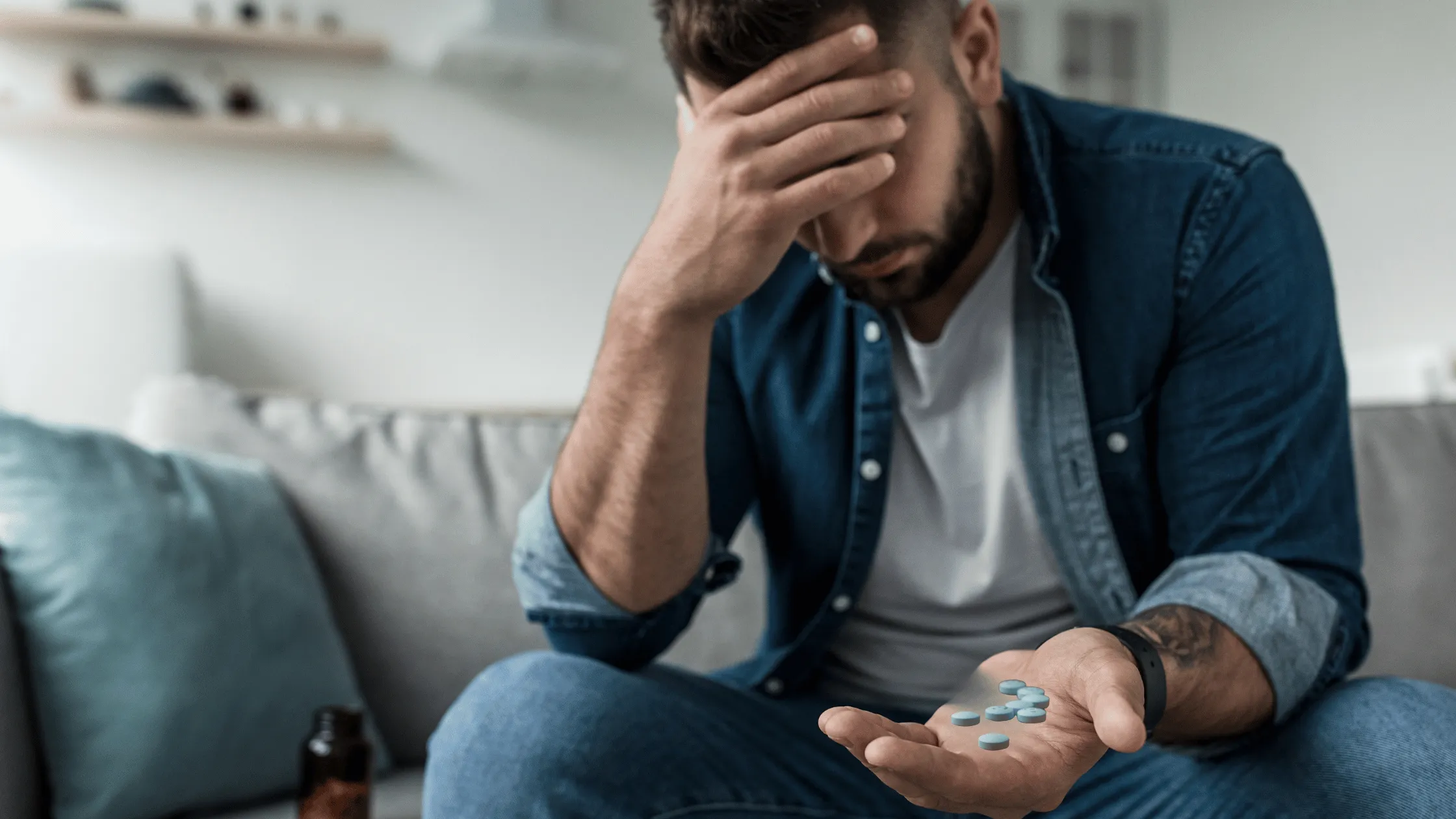
PTSD and Anxiety Symptoms: 7 Signs You Shouldn’t Ignore
PTSD and anxiety often overlap. Learn the real symptoms, when to seek help, and how dual diagnosis treatment can help you recover faster.

Dr. Deyhimy MD
October 24, 2025
PTSD and anxiety often overlap. Learn the real symptoms, when to seek help, and how dual diagnosis treatment can help you recover faster.
PTSD and anxiety symptoms often appear together—creating a cycle of fear, avoidance, and exhaustion that can make everyday life feel impossible. When both conditions exist side by side, they’re considered part of a dual diagnosis, meaning two mental-health disorders occur at the same time and affect one another.
If you or someone you love is struggling with these symptoms, dual diagnosis treatment can help uncover the root causes and provide an integrated plan for recovery. According to the National Institute of Mental Health, roughly 7.7 million U.S. adults experience PTSD every year—many also meet criteria for anxiety disorders.
Also Read
PTSD and anxiety often occur together. Recognize symptoms early, get screened, and choose integrated care to treat both conditions effectively.
PTSD and anxiety share many of the same stress-related responses, but they stem from different triggers. PTSD develops after exposure to trauma, while anxiety disorders often arise from ongoing stress, genetics, or chemical imbalances.
While each disorder has distinct origins, both affect the body’s fight-or-flight system—keeping it stuck in overdrive.
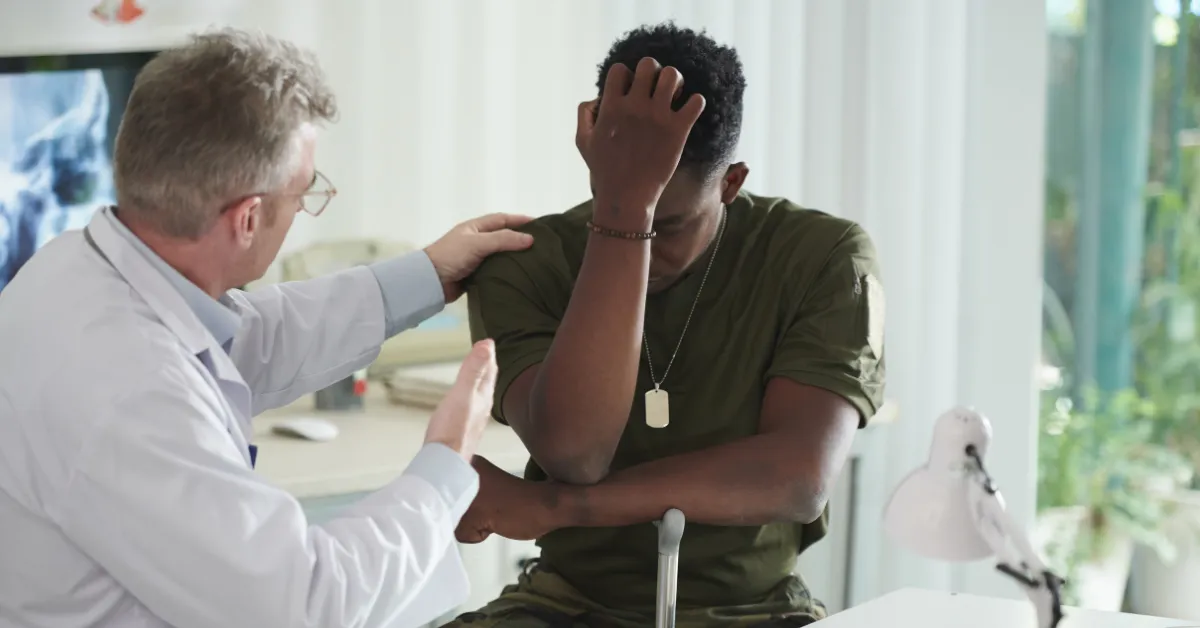
Knowing when to seek professional help can prevent long-term emotional strain.
Seek evaluation if you notice:
A licensed clinician will conduct screenings for trauma history, anxiety patterns, and substance use to create a full picture of your mental health. For co-occurring conditions, this process is known as a dual-diagnosis assessment.
PTSD frequently triggers anxiety disorders, and vice versa. Trauma changes how the brain processes danger, while chronic anxiety increases stress hormones that intensify trauma responses. Treating only one condition can leave the other unchecked.
Integrated programs—like those offered at Coachella Valley Recovery Center—combine evidence-based therapies with medication management and holistic care. Learn more about our approach on the Treatment Services page.
These simple strategies can support daily recovery alongside professional care.
Use deep breathing, sensory focus, or mindfulness to pull attention back to the present. Even 60 seconds of slow breathing can reduce panic intensity.
Alcohol or cannabis may numb anxiety temporarily but can worsen PTSD symptoms long-term. Replacing these habits with movement or journaling supports genuine healing.
Early evaluation leads to faster symptom relief and prevents self-medication cycles. Explore integrated options at dual diagnosis treatment.
.webp)
Understanding the connection between PTSD and anxiety symptoms is the first step toward healing. When both disorders influence your daily life, the right dual-diagnosis plan can rebuild a sense of calm and control.
If you’re noticing persistent fear, panic, or sleep issues after trauma, reach out for help today.
Contact Coachella Valley Recovery Center to learn how compassionate, evidence-based care can support your recovery journey.
Dr. David Deyhimy, with over 20 years of experience, is a board-certified physician in addiction medicine and anesthesiology based in Orange County.
Don’t hesitate to contact us today with any questions you may have about our program or if someone you know is struggling with addiction.

.jpg)